Description
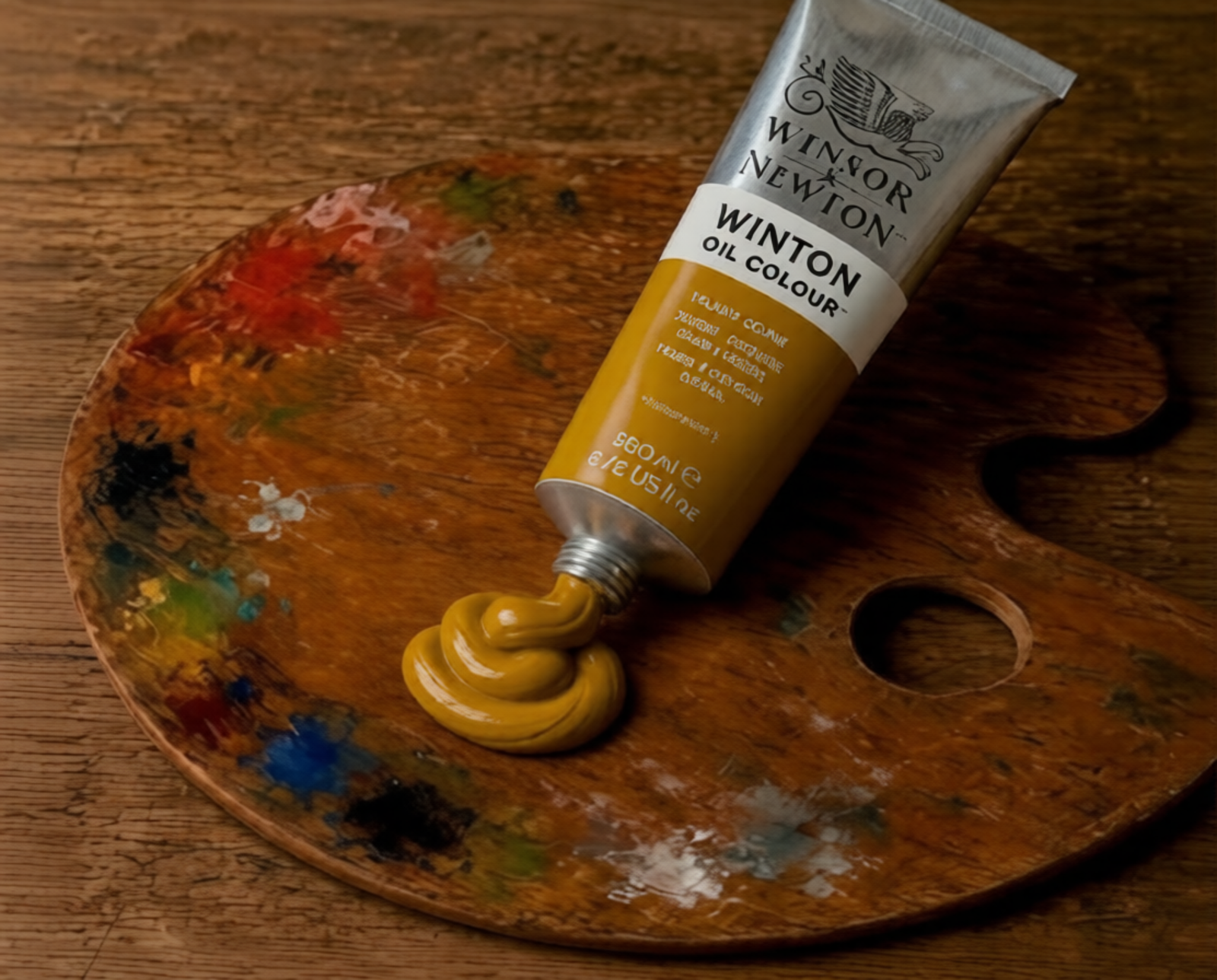
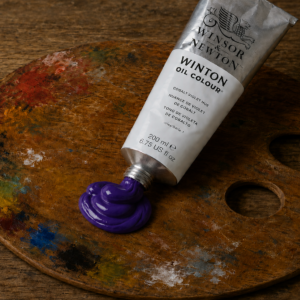
Winsor & Newton Winton Premium Oil Colour, Cadmium Yellow Deep Hue, 200ml.
A rich, warm, and intense golden-yellow with excellent opacity and strong tinting power. This deeper, more orange-leaning yellow is perfect for vibrant sunsets, warm highlights, autumn landscapes, and powerful still life work. Excellent for mixing fiery oranges and rich earth tones.
This colour has strong opacity and covers cleanly in a single layer, holding its own even over a darker underpainting. Its warmth sits closer to orange than a lemon or primary yellow, making it especially useful anywhere a painting needs heat and richness rather than a cool, bright pop of colour.
Pair it with Cadmium Red Hue for vivid, fiery oranges, or mix it with Van Dyke Brown for warm, autumnal earth tones. Combined with a touch of Titanium White, Cadmium Yellow Deep Hue builds soft, glowing highlights for sunsets and warm skies.
The History of Cadmium Yellow Deep Hue
Cadmium was discovered in 1817 by German chemist Friedrich Stromeyer, who noticed an unusual yellow tint while investigating a batch of zinc oxide. Cadmium yellow became available to artists not long after, prized for its brightness, opacity, and permanence compared to older, less stable yellows like the fugitive yellow lakes and gamboge that painters had relied on for centuries. Winsor & Newton displayed cadmium yellow at the Great Exhibition in London in 1851, helping introduce it to a wider audience of artists.
The colour quickly became a favourite among painters seeking a bright, dependable yellow. Vincent van Gogh used cadmium yellow extensively, drawn to its vivid intensity for his sunflowers and southern French landscapes — though ironically, some of his cadmium yellow paint has darkened over time due to impurities in the manufacturing processes available in his era, a problem modern production methods have since resolved. Claude Monet and other Impressionists also embraced cadmium yellow as part of the brighter, more vivid palette that defined the movement, breaking from the muted earth tones of earlier academic painting.
“Deep” cadmium yellows like this one sit further toward orange on the colour wheel than a standard cadmium yellow, achieved by adjusting the ratio of cadmium sulphide to cadmium selenide in the pigment’s formulation. Genuine cadmium pigments remain valued today for their brightness and lightfastness, though their cost and heavy-metal content have led many ranges, including Winton, to offer “Hue” versions using modern, non-cadmium pigments formulated to closely match the same rich, warm character.
Winsor & Newton’s Winton range gives artists of all levels reliable colour and handling at an accessible price. It’s a solid choice whether you’re building your first palette or restocking a working studio.
Cadmium Yellow Deep Hue is especially popular among landscape painters working with autumn scenes, sunsets, and golden-hour light, where its warmth captures a quality of light that a cooler, more lemon-toned yellow simply can’t reach. Still life painters also reach for it when painting citrus fruit, warm ceramics, and richly lit interiors.
Cadmium Yellow Deep Hue also plays a key role in glazing work. Thinned with medium, it can be layered translucently over a warmer underpainting to intensify golden light without flattening the colours beneath it — a technique especially useful in sunset and golden-hour scenes, where light needs to feel like it’s glowing from within the canvas rather than sitting on top of it.
When mixed with small amounts of white, Cadmium Yellow Deep Hue produces warm, creamy tints suited to sun-drenched highlights on skin, fabric, or foliage. Mixed with a touch of blue, it shifts toward warm, earthy greens rather than the colder greens a lemon yellow would produce — genuinely useful for autumn foliage or sun-baked grasses where a cooler green would feel out of place.
Cadmium Yellow Deep Hue Oil Paint — Storage and Handling
Store the tube upright with the cap tightly closed, away from direct heat, and it can last several months of regular painting. Squeeze out only what you need for a session — paint left exposed on the palette starts to skin over within a day, though this varies with humidity. Because Cadmium Yellow Deep Hue has strong tinting power, a small amount goes further than expected — start light and build up gradually.

Reviews
There are no reviews yet.